Overview how to get rid of boxelder bugs naturally and prevent them from coming back
Overview how to get rid of boxelder bugs naturally and prevent them from coming back
Blog Article
Boxelder bugs and boxelder trees create two different problems. The insect may gather on a house exterior, enter through small gaps, and spend winter indoors. The tree, known scientifically as Acer negundo, produces seeds that feed new generations. Effective Boxelders Control in Canada begins with determining which problem you have.
Natural boxelder bug control focuses on removal, insect exclusion, tree care, and seasonal timing. You can often control a light infestation with a vacuum cleaner, water, soapy water, and careful sealing. Large numbers, high trees, or difficult access may call for professional pest control.
What Exactly Are Boxelder Bugs and Where Are They Found in Canada?
Boxelder bugs are black insects with red or orange markings along the edges of the body and wings. They feed mainly on boxelder seeds, leaves, and soft plant tissue. Boxelder trees grow in many parts of Canada, particularly in areas with proper soil, moisture, and open sun.
Boxelder trees belong to the maple family. They often grow alongside roads, fence lines, waterways, vacant lots, and property edges. Other maple trees may also provide shelter or food, although boxelder trees are the main host associated with major seasonal clusters.
These insects are most visible in spring and late summer. In autumn, adults seek protected places to spend the winter. This behaviour is called overwintering. The insects may collect on warm sunny surfaces, such as siding, window frames, foundation walls, and roof edges, before moving indoors.
Overwintering insects do not usually reproduce inside a heated home. They seek shelter in wall voids, attics, cracks, and other quiet areas. A few insects may be harmless, while hundreds entering through the same side of a house show a boxelder bug infestation that needs a stronger prevention plan.
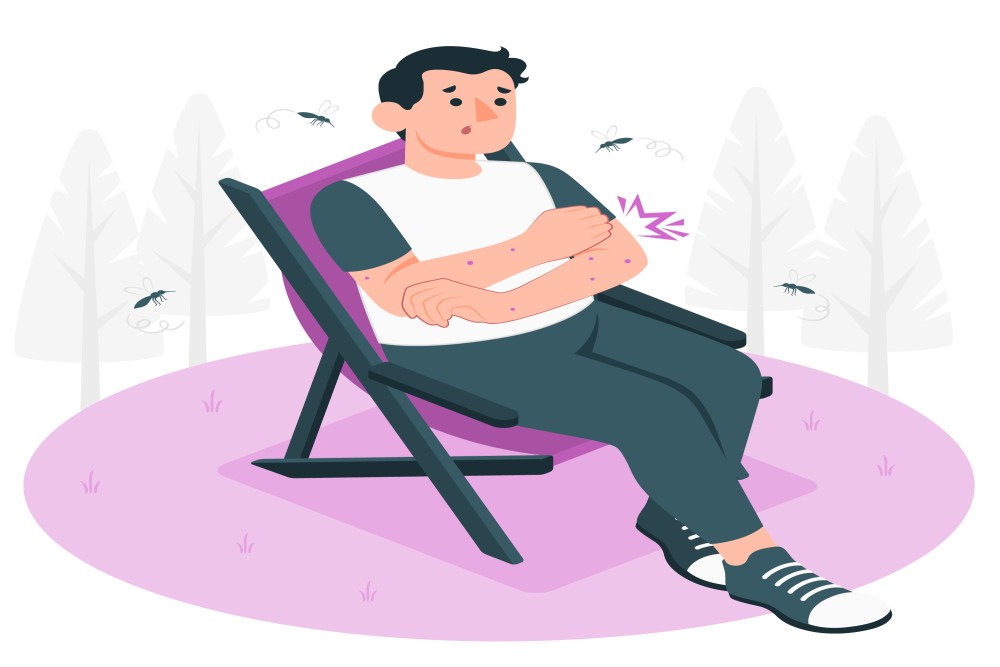
Can Boxelder Bugs Dangerous to People, Pets, or Homes?
Boxelder bugs do not usually bite people, sting, or spread disease. They can release an odour when handled or crushed, but this does not normally create a human health concern. People with insect sensitivities may still experience irritation from contact, so avoid handling large numbers with bare hands.
These insects are not generally poisonous to pets. A dog or cat that eats one may develop mild stomach upset, but repeated consumption or unusual symptoms deserve a call to a veterinarian. Keep pets away from any soap, pesticide, or tree treatment used around the property.
The main household concern is mess. Crushed insects can leave reddish household stains on curtains, walls, furniture, and painted surfaces. Dead insects may also build up inside light fixtures, window tracks, and wall spaces.
Indoor infestations often look worse than they are because boxelder bugs gather in visible groups. Do not crush them against walls. Remove them with a vacuum cleaner or catch them gently and release them outdoors when practical.
Why Boxelder Trees Can Increase Bug Problems
Female boxelder trees produce clusters of winged seeds. Those boxelder seeds offer food for developing insects and may help support activity around a property. Male and female trees look similar, so identifying the sex may require flowers, seed production, or help from an arborist.
Boxelder trees also provide bark, branches, leaves, and tree sap that support insect habitat. A tree does not need to stand directly beside a home to affect it. Bugs can move from trees along fences, outbuildings, garden beds, and the house exterior.
Tree management can reduce pressure, but removing one tree will not instantly remove every insect. Adults may travel from other trees, and eggs or nymphs may already be present. Treat tree removal as one part of a prevention plan, not as a replacement for insect exclusion.

How to Get Rid of Boxelder Bugs Naturally
Start with the simplest method that matches the number of insects. Chemical-free pest control works best when you pair immediate removal with sealing work to entry points.
- Vacuum Removal: Use a vacuum cleaner with a hose attachment to pick up insects from floors, walls, ceilings, and window tracks.
- Soapy water: A soapy water solution can kill exposed insects when sprayed directly, provided the surface can withstand moisture.
- Water spray: A garden hose can wash outdoor groups from siding, decks, and foundation walls.
- Hands-On Removal: Use a cloth, soft brush, or container to clear away small groups without crushing them.
Do not rely on outdoor sprays alone. If cracks, screens, and door gaps remain open, more insects can enter during the next warm spell. Check the house exterior and the specific places where bugs collect.
Get Rid of Indoor Bugs Without Crushing Them
Use a vacuum cleaner rather than a broom or hand. Move slowly across window frames, wall corners, baseboards, and curtains. A hose attachment minimizes contact and helps you reach insects without pressing them into painted surfaces.
Empty the canister outdoors into a sealed bag. If your machine uses a disposable bag, follow proper vacuum bag disposal practices promptly. This stops live insects from escaping inside the home.
Inspect wall cracks, window screens, and the edges of frames after removal. Replace torn screens and seal small openings with an appropriate material. Pay attention to areas where siding meets trim, because a small gap can act as a repeated entry point.
Use Outdoor Washing and Soap Solutions Carefully
A garden hose can wash away boxelder bugs from the house exterior. Spray from above and direct the water away from doors, vents, and foundation openings. Repeat the wash when insects gather again on warm surfaces.
Insecticidal soap is made for pest control on plants, but it can harm sensitive foliage if applied incorrectly. Dish soap is not the same as insecticidal soap. Strong homemade mixtures may cause plant damage, leaf burn, or damage to painted surfaces.
Check the product directions before applying any soap. Try a small area first, avoid spraying during hot sunlight, and keep the solution away from ponds and pets. If you choose a soap treatment, spray the insects directly rather than coating an entire tree without a clear reason.
Ways to Stop Boxelder Bugs From Returning
The most reliable way to prevent boxelder bugs is to stop their route into the building. Insect exclusion works better than repeated indoor removal because it targets the source of the problem.
Inspect the house exterior from the foundation to the roofline. Look for gaps around windows, doors, vents, siding, utility lines, and plumbing. Then combine caulking, weatherstripping, door sweeps, and intact window screens to create exclusion barriers.
Keep screens tight and free from holes. Replace damaged seals around exterior doors. Check the garage door, attic vents, and crawl-space openings as well. A home can have multiple entry points that are invisible from indoors.
Block Entry Points Before Autumn
Late summer is a good time to inspect windows and doors. Repair loose frames and apply caulking to fixed joints where trim meets siding or masonry. Flexible exterior caulk works well for many small gaps, but follow the product directions and clean the surface first.
Install or replace weatherstripping around movable doors and windows. A door sweep should touch the threshold without preventing the door from closing. These small repairs can also reduce drafts and stop other overwintering insects.
Check roofline gaps, soffits, fascia, and vents from ground level. Do not climb onto a roof without suitable training and equipment. Seal utility penetrations around cables, pipes, and conduits, while keeping required ventilation openings clear.
The goal is to seal cracks and gaps without blocking drainage or airflow. If you are unsure whether an opening is an intentional vent, ask a qualified contractor before blocking it.
Reduce Attractants Around the Property
Remove fallen seeds from patios, walkways, and garden edges when practical. Rake leaf litter away from the foundation and keep stored materials off exterior walls. These steps cut down on shelter and make inspections easier.
Store firewood on a raised rack, away from the house. Inspect logs before bringing them indoors. Wood piles, unused boards, dense shrubs, and tall grass can provide hiding places near entry points.
Plant maintenance also matters. Prune branches that brush against the roof or siding, keep a clear inspection strip beside the foundation, and monitor boxelder trees for seed production. Do not remove healthy trees without considering shade, drainage, wildlife, and replacement planting.
When Is the Right Time to Manage Boxelder Bugs?
Activity in spring gets underway as adults that overwinter leave protected places. This is a practical time to vacuum insects indoors, spray outdoor groups away, repair screens, and check the outside of the house.
Late summer offers the ideal time to prepare. Adults may collect before autumn migration, making groups simpler to find. Handle caulking and weatherstripping before temperatures drop and insects begin searching for winter shelter.
During autumn migration, boxelder bugs travel toward sun-warmed walls, window frames, and roof edges. Physical removal still helps, but exclusion work becomes the top concern. Close entry points before the first sustained cold period.
The overwintering season is a time for indoor monitoring. Remove with a vacuum insects as they appear on warm days, but do not crush them. Use winter to plan tree management, repair screens, and arrange help for hard-to-reach places.
Boxelder Tree Control
Removing Boxelder trees and insect management are linked, yet distinct services. Taking out a host tree may reduce food and shelter, yet nearby trees can still support insects. Cutting a tree also creates a stump that may send up new shoots.
Removing the stump is one option when conditions allow. Grinding removes much of the visible stump, but roots may remain. Root suckers can emerge from the root system or nearby soil, especially when the tree has been cut without aftercare.
best siteWatch the area for regrowth during the next growing seasons. Remove new shoots early, and do not allow them to develop into a new seed-producing tree. If the tree stands near a building, roadway, fence, or utility line, prepare the job carefully.
How to Cut and Remove a Small Boxelder Tree Safely
Only consider dIY work when the tree is small, stable, and well away from structures and utility lines. Check tree height, trunk condition, nearby branches, and the direction in which the tree could fall.
Wear personal protective equipment, including eye protection, gloves, sturdy footwear, and protective clothing. Use a sharp pruning saw for small branches and work with safe cutting practices. Keep children and pets outside the work area.
Tree removal safety becomes more difficult as height increases. Do not climb with a chainsaw, cut near utility lines, or work under damaged branches. A qualified arborist should handle trees that require climbing, rigging, traffic control, or work close to buildings.
Which Herbicides Work Against Boxelder Trees in Canada?
A systemic herbicide may treat a cut tree or persistent root suckers, but the correct product and application method depend on the site and the label. A cut-stump treatment is often applied to the freshly cut outer stump surface so the roots can absorb the active ingredient.
Read the pesticide label before buying or applying a product. The label states where it may be used, which plants it controls, the required protective equipment, and any limits near water, gardens, children, or pets.
Canadian pesticide requirements cover product sales and use. Rules may differ by province or municipality, so verify local requirements before treatment. Never raise the concentration or apply a product in a way the label does not allow.
For many properties, removing repeated shoots and adjusting shade or planting conditions may be safer than chemical treatment. If herbicide is needed, ask a qualified professional about a product and application method suited for the site.
When to Hire a Professional for Boxelder Control
Reach out to a licensed pest control operator when insects get into inaccessible wall spaces, the infestation covers several rooms, or exclusion repairs fail to fix the problem. A professional can inspect the house exterior, locate entry points, and describe treatment choices.
An arborist is the proper professional for large boxelder trees, weak limbs, trees near structures, and work close to utility lines. Tree removal involves fall hazards, saw injuries, property damage, and hidden tension in branches.
Professional help also helps when you cannot identify whether the insects are boxelder bugs or another species. Mosquito Man is one factual example of a pest control business name, but check licensing, treatment details, and service terms before hiring any provider.
Ask what products will be used, where they will be applied, how long people and pets must stay away, and what prevention steps should follow. A good plan should cover the building, nearby vegetation, and future monitoring rather than rely on repeated indoor spraying.
Questions and Answers About Boxelders Control in Canada
What are boxelders, and where are they located in Canada?
“Boxelders” can refer to boxelder bugs or boxelder trees. Boxelder bugs are seasonal insects mainly associated with Acer negundo, while boxelder trees are members of the maple family. They may occur wherever boxelder trees grow, including open lots, property edges, waterways, and residential landscapes.
Why should boxelder trees be controlled?
Female boxelder trees produce seeds that support boxelder bugs. A tree beside a building can also create insect habitat and shelter. Tree management may reduce local activity, but it should be combined with insect exclusion and repairs to entry points.
When is the right time to control boxelders?
Begin removal and inspection during spring activity, then finish sealing work in late summer before autumn migration. Autumn is when adults seek winter shelter, so caulking, weatherstripping, and screen repairs should be finished before that movement takes place.
How can I take down a small boxelder tree safely?
Assess the tree height, trunk condition, fall direction, nearby structures, and utility lines first. Wear protective equipment and use proper tools such as a pruning saw. If the tree is tall, unstable, close to a building, or near wires, hire an arborist instead.
Are boxelder bugs harmful to people or pets?
Boxelder bugs do not usually bite, sting, or spread disease. They are not generally poisonous to pets, although eating many may cause stomach upset. Avoid crushing them because they can give off an odour and leave household stains.
Which herbicides work against boxelders in Canada?
A systemic herbicide or cut-stump treatment may control boxelder trees and root suckers when the product is approved for that use. Follow the pesticide label exactly and check applicable pesticide regulations. Do not apply a product near water, gardens, children, or pets unless the label permits it.
Will boxelders grow back after being cut down?
Yes, they can. New root shoots can grow from remaining roots or near the stump after cutting. Check the area, cut away new shoots early, and arrange stump treatment or stump removal when suitable. Persistent regrowth may need help from a professional.
When do I need professional help with boxelder control?
Contact a licensed pest control operator for heavy infestation, repeated indoor activity, inaccessible entry points, or treatment that requires professional equipment. Hire an arborist for tall trees that are damaged or structurally risky. Professional treatment should include safety instructions and prevention steps.
Report this page